
Transportation & Electronics
2025 in Review: Engineering Reliability at Scale and What’s Next for 2026
Article | December 23, 2025
A year of rapid electrification, rising quality demands and industrial scale-up. Discover the key trends shaping mobility, battery systems and how Datwyler is driving reliability into 2026.
From Acceleration to Industrialization
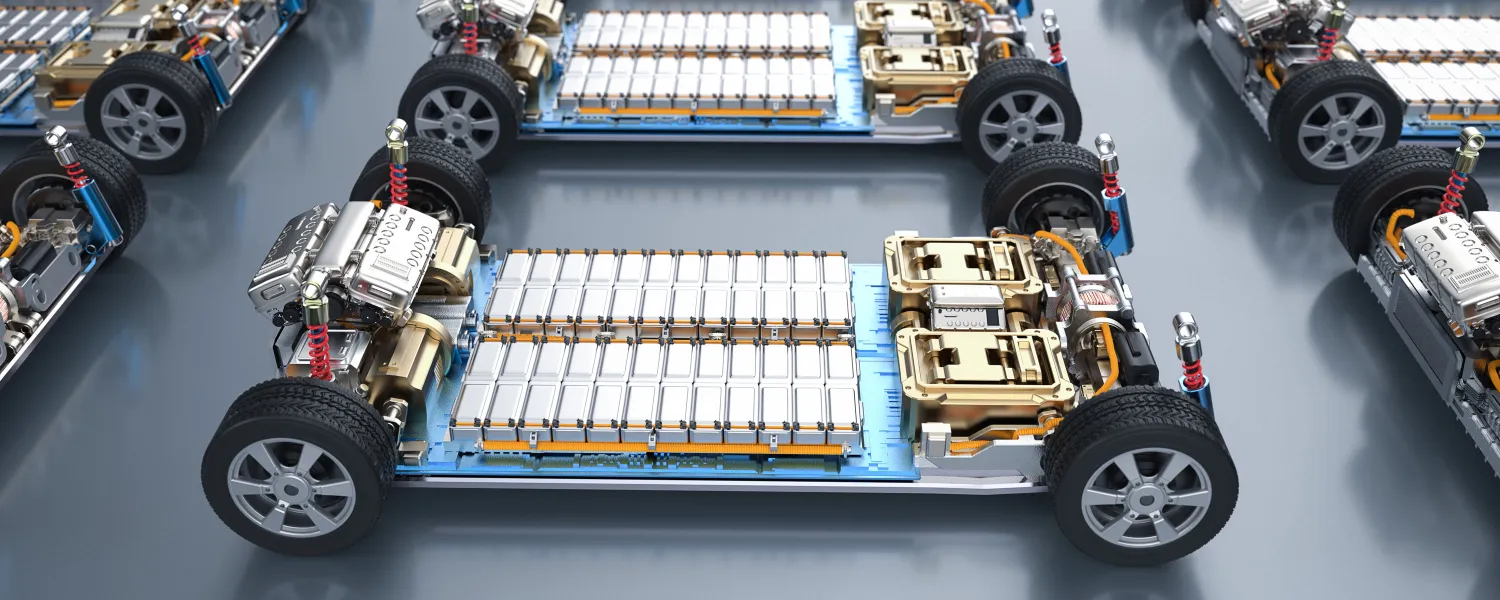
As 2025 draws to a close, the e-mobility sector has crossed a decisive threshold: mass industrialization. Global EV sales surpassed 22 million units this year, marking a 25 percent increase over 2024. Electrification has evolved from demonstration programs into a fully embedded part of global automotive production.
The past year was not only about growth but about engineering refinement, regulatory enforcement, and supply-chain maturity. Battery and e-powertrain systems were designed and validated under higher voltages, denser packaging, and tighter tolerance windows than ever before. As OEMs and Tier-1 suppliers scaled up, the hidden enablers of reliability – advanced sealing and material solutions – proved fundamental in maintaining performance, safety, and manufacturability.
2025’s Defining Technical Shifts
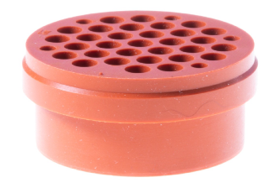
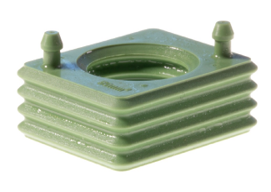
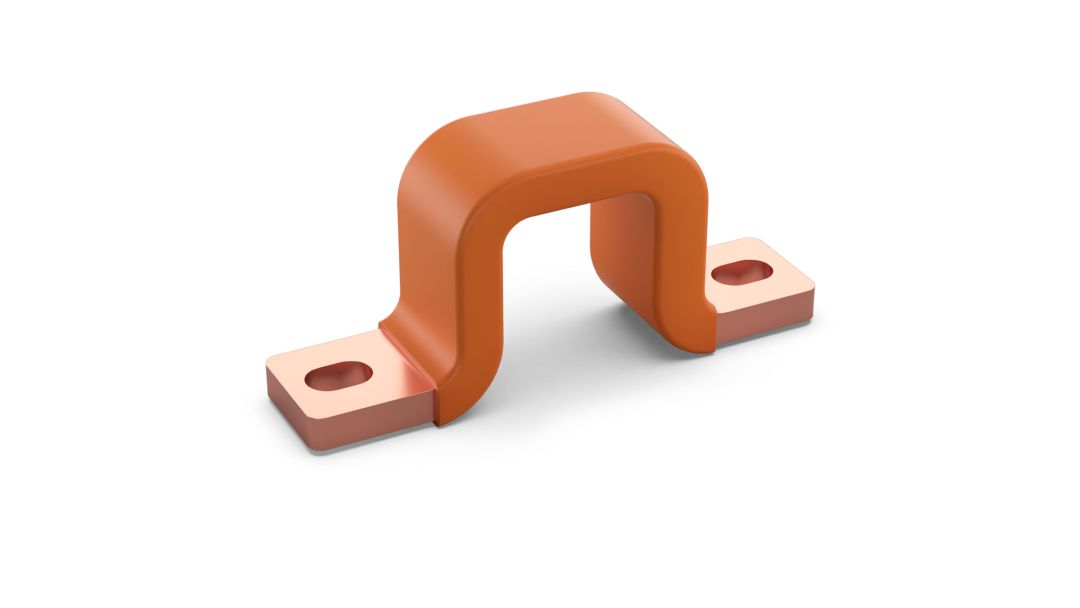
Three key transitions shaped 2025’s engineering landscape. First, architecture consolidation accelerated. Structural and cell-to-pack battery designs became the new normal, improving energy density and cost efficiency while introducing more demanding sealing geometries and smaller compression zones. This elevated the importance of Datwyler’s priority battery portfolio, including battery cell seal, BMS grommet, ring seals, single wire and cable seals, busbar seals, etc. All central to achieving consistent pack integrity and electrical isolation.
Second, the full implementation of the European Battery Regulation (EU 2023/1542) set new benchmarks for thermal propagation safety, venting behaviour, and sustainability. Validation protocols now require documented stability and recyclability at the material level. Datwyler’s in-house compounding and analytical capabilities allowed OEM partners to meet these requirements through fully characterised material datasets and regulatory-compliant traceability. Fire-retardant materials for battery systems, currently in development, further strengthen readiness for upcoming safety expectations.
Finally, chemical diversity expanded. The year saw the first industrial deployment of sodium-ion and early-stage solid-state concepts. These chemistries introduced new electrolytes and immersion fluids, requiring updated compatibility across sealing materials. Datwyler addressed this through customised formulations optimised for long-term mechanical elasticity, media resistance, and thermal endurance.
The Unseen Work Behind System Safety
Beneath every major EV launch of 2025, sealing technology played a silent but indispensable role. In battery systems, Datwyler’s multifunctional gaskets delivered IP6K9K protection while integrating venting and pressure management functions. Busbar seals, BMS grommets and cable seals ensured reliable electrical interconnections even within densely packaged architectures.
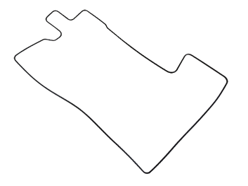
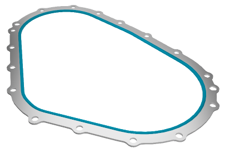
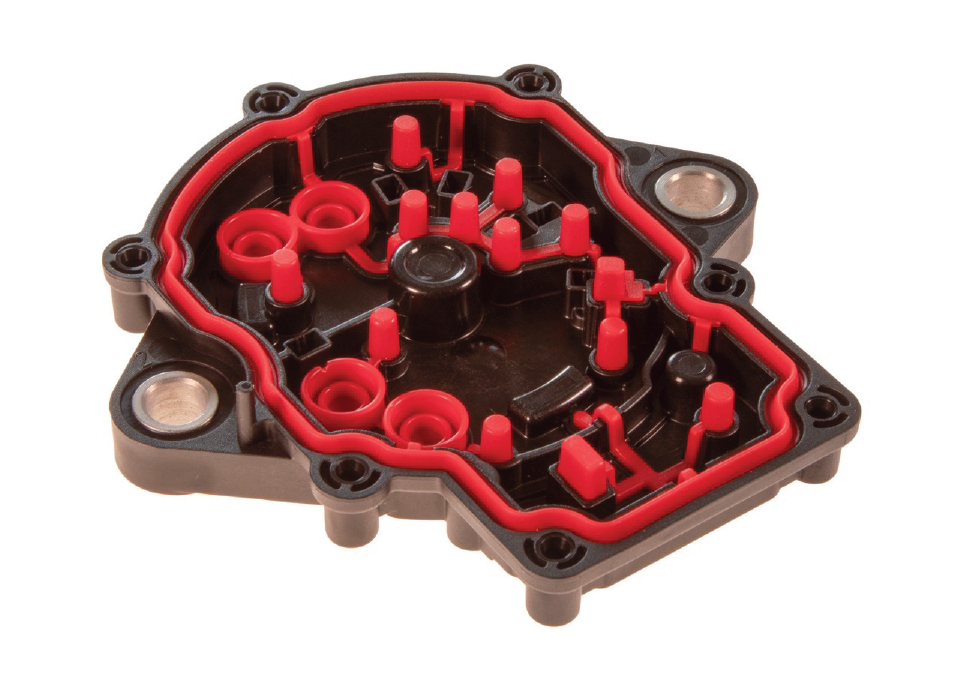
Within e-powertrains, Datwyler’s updated mobility-focused portfolio provided solutions aligned to emerging requirements. Inverter housing gaskets, press-in-place gaskets for e-powertrain housings and covers, overmolded plug seals, connector seals, EMI gaskets, and oil baffles – all highlighted in the mobility product focus – ensured reliable operation under fluctuating temperatures, differential pressures, and high vibration.
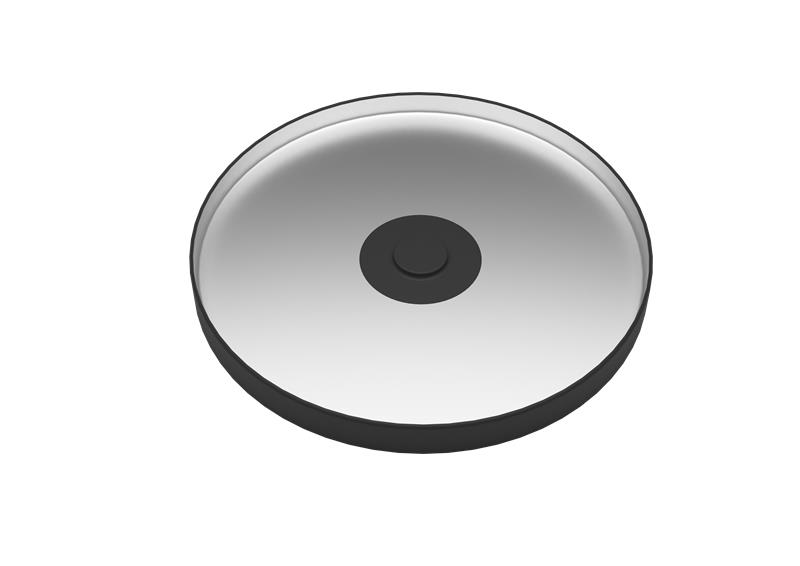
Hydrogen and fuel-cell systems also advanced, particularly in heavy-duty mobility. Datwyler’s hydrogen-ready components, including sealing discs, bipolar plates and high-purity O-rings, delivered stability across hydrogen permeation, temperature cycling, and chemical exposure.


Co-Engineering and Industrialization at Scale
A major learning from 2025 was that high-voltage sealing performance cannot be achieved through off the shelf parts; it requires early and continuous collaboration between suppliers and OEM development teams. Datwyler’s Solution Design engineers worked directly with customer teams, performing finite-element-based compression simulations, tolerance-stack evaluations, and virtual aging analysis to predict sealing behaviour before tooling.
This minimised late-stage iterations and supported first-time-right validation. The company’s Material Expertise reinforced this approach. By maintaining full control over elastomer, silicone, and TPE formulation, Datwyler fine tuned hardness, compression set, dielectric strength, and chemical resistance to match precise system requirements. Material qualification also evolved to include environmental performance and circularity metrics, aligning with OEM sustainability goals.
Product Industrialization completed the cycle, translating validated designs into consistent serial production. Datwyler’s capabilities in multi-component molding, precision bonding, and automated inspection delivered stable process capability and repeatability for volumes ranging from pilot runs to multi million unit programs.
Lessons Learned in 2025
The most important insight from 2025 is that progress in e-mobility depends on the ability to integrate robustness, reliability, and sustainability simultaneously. Increasing energy density and reducing cost mean little without reproducible quality and validated safety. As battery chemistries evolve and regulations tighten, sealing has shifted from a supporting function to a strategic component of compliance and performance.
OEMs and Tier 1s that treated sealing and material engineering as core design parameters achieved shorter validation cycles, fewer late-stage design changes, and improved overall system stability. For Datwyler, the year confirmed that agility in simulation, compounding, and industrialization is essential to supporting rapid platform diversification.
Outlook: 2026 and Beyond
Looking ahead, 2026 will mark a shift from rapid scale-up to system optimisation across the battery industry. Key priorities will centre on improved maintainability, higher energy density, and continued cost reduction. As battery architectures become more compact and service-oriented, the role of critical sealing components will further increase. Solutions such as battery cell seals, BMS grommets, ring seals, single wire and cable seals and busbar seals will be essential in ensuring long-term reliability, safety, and efficient manufacturing.
E powertrain architectures will push sealing materials to withstand higher temperatures, oil exposure, and dielectric loads. The rise of 800 volt and 1,000 volt systems will elevate the importance of inverter housing gaskets, EMI gaskets, connector seals, and thermally conductive interface materials. Hydrogen technologies will expand further into commercial mobility, increasing demand for low permeation sealing solutions and bipolar plate gaskets. Across all mobility domains, Datwyler’s refined product strategy ensures alignment with the needs of next generation platforms.
The story of 2025 is one of advancement through precision. As OEMs and Tier 1 suppliers pushed toward higher power densities, tighter packaging, and stricter safety requirements, sealing technologies became critical enablers. Datwyler’s updated mobility product strategy for 2026 builds directly on these industry shifts, placing priority on solutions that improve safety, manufacturability, and long term reliability in battery, e powertrain, and thermal systems.
