
Material Expertise
Materials Development
The rapid development of electrification in the mobility industry has created a demand for innovative materials and surface technologies that offer unique combinations of technical properties for new applications. Datwyler works closely with its customers, developing advanced materials tailored to a specific task and environmental conditions, delivering system-critical components for a lifetime of performance.

Materials for
battery systems
-
Thermally conductive compounds (e.g.: TIMs)
-
Compounds with EMI shielding
-
Flame resistant compounds (UL94 V-0)

Materials for
hydrogen applications
-
Seals for fuel cells and hydrogen generation (electrolysers)
-
Thermoplastic based bipolar-plates

Materials for
contact with special fluids
-
Compounds to seal e-liquids and new types of liquids for immersion cooling
-
AEM compounds

Other advanced materials
and materials for printing
-
Electrically conductive compounds
-
Fibre reinforced materials
-
Special fillers
-
Materials for dynamic applications and durability
-
Materials for screen printing

Sustainable elastomer
formulations
-
Compounds based on materials from renewable resources
-
Compounds formulated around recycled materials
More About
A century of elastomer expertise
Datwyler has over 100 years of experience in elastomer materials and technology, and
now has a vast global portfolio of more than 800 proprietary formulations. This
includes EPDM for new brake technologies, NR for damping elements, fibre-
reinforced materials for membranes, and special FKM and HNBR compounds for fuel
management, plus VMQ for high-temperature applications.

Raw Materials Testing & Research

Rubber Compound Formulation Expertise

Materials Science

Mixing Process

Production Process Set-up

Surface Treatment

Chemical Compliance

Failure Analyses & Quality Control
By leveraging our material expertise, we are not only able to create, test, and analyze a wide range of new materials based on emerging new mobility challenges, but also apply our strengths on the industrial side of the business to ensure those materials can move from the laboratory to large-scale serial production quickly and efficiently.
Manager Material Development
Advantages
Worldwide expertise
From China to the Czech Republic, we have a global
network of experts in materials science working with
the latest technology to develop new compounds and
solutions for our customers.
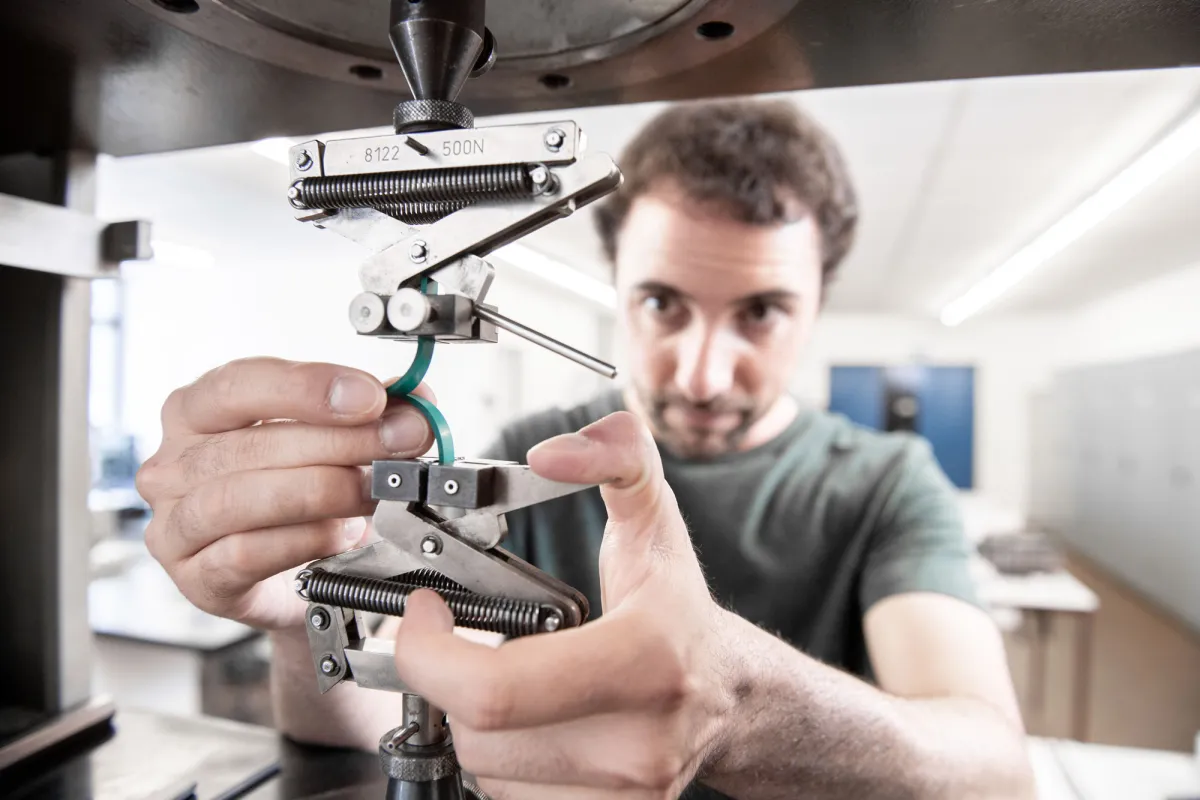
In-house analysis and simulation
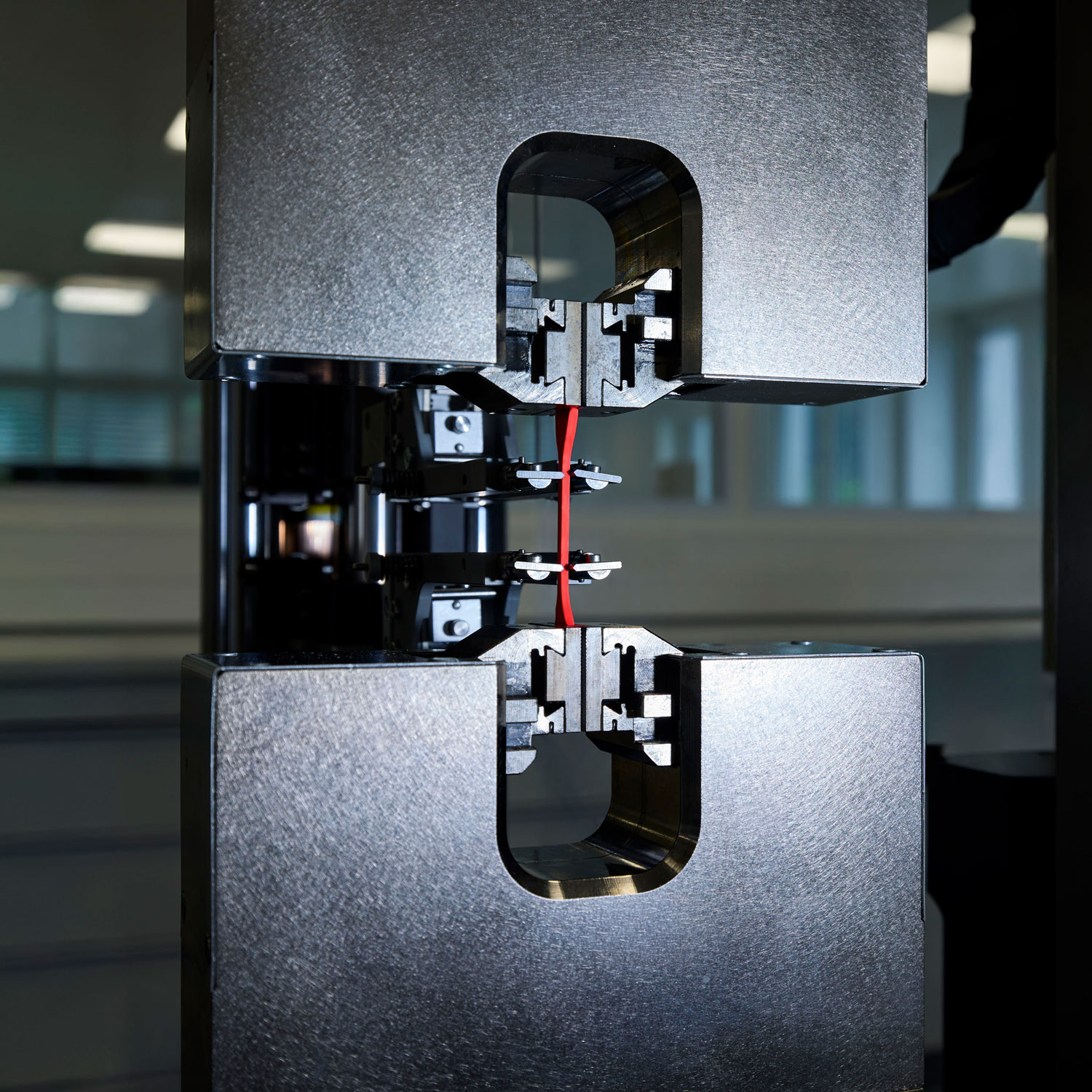
From rubber process analysis and scanning electron microscopy to dynamic-mechanical analysis and FTIR spectroscopy coupled with optical microscopy, we use the latest equipment to analyze, simulate, and test our new materials.
Extensive mixing capability
Whether in our laboratories or production plants, our state-of-the-art mixing technology produces materials specifically tailored to a customer’s application. Using our elastomer experts and a high level of automation, we can quickly scale up mixing programs from low to high-volume.
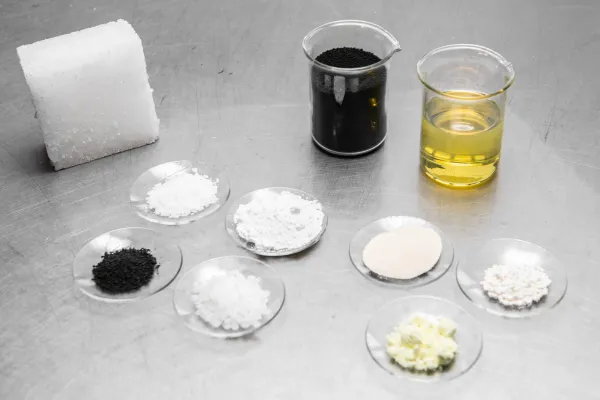
Planet-friendly solutions
With sustainability now a key aspect of materials development, we are investigating new compounds such as polymers based on sugar cane and recycled carbon black.
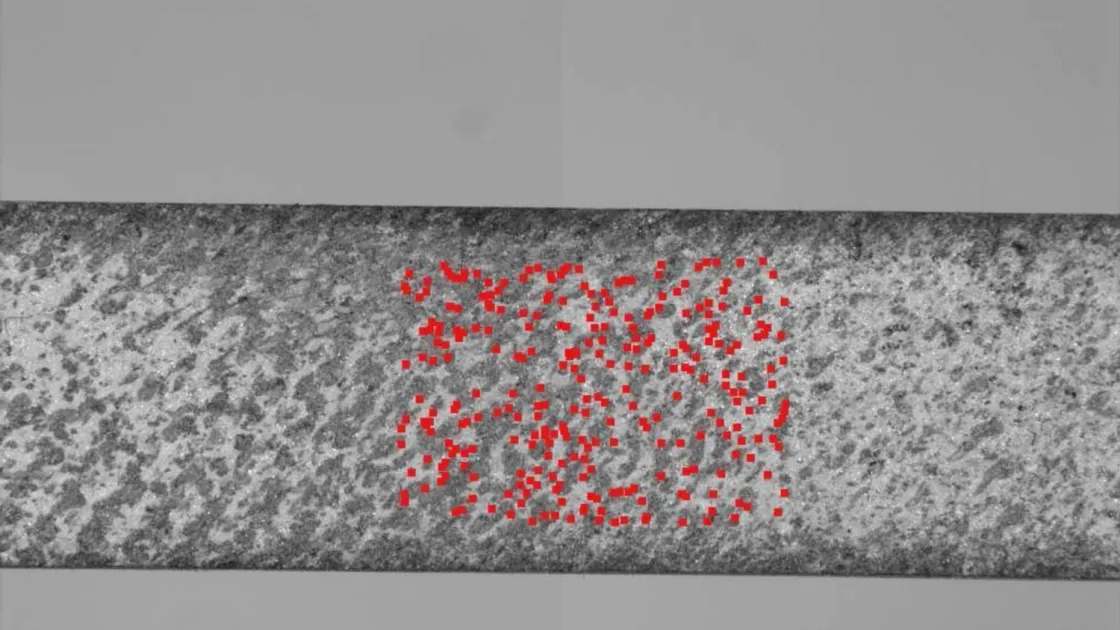
Optical Flow Tracker
Material co-engineering
We work directly with our customers, listening to their requirements to co-engineer new materials specifically developed for their application.
CONTACT
For more information about Datwyler’s portfolio of new materials and compounds, and how they could be the solution to your latest EV challenge, please get in touch with us.

Related news
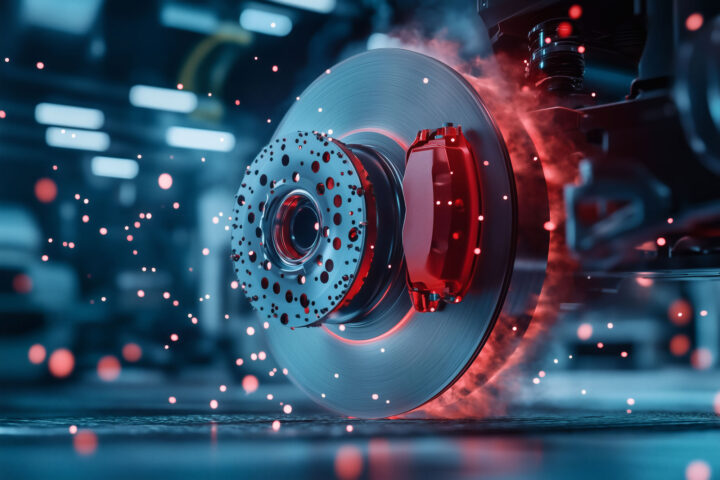
The evolution from electro-hydraulic to electromechanical braking is reshaping sealing requirements, creating new challenges for materials, design and performance.
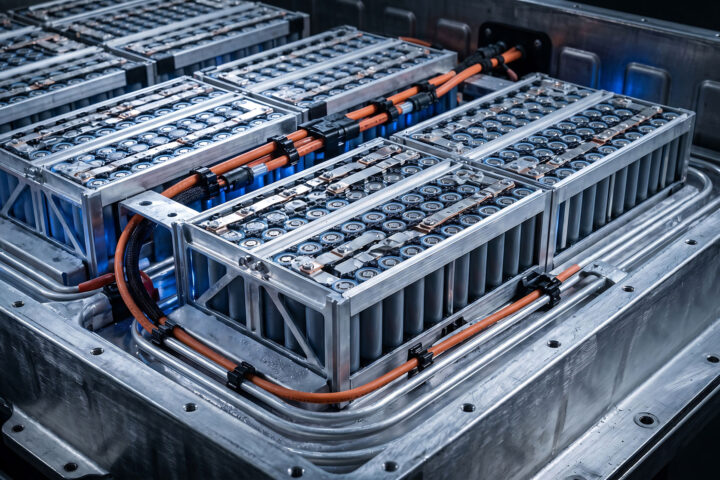
Thermal management increasingly determines how efficiently an electric vehicle can operate. It supports battery performance and service life, enables faster charging and helps preserve driving range by controlling how heat moves between the battery, e-drive, power electronics and cabin.
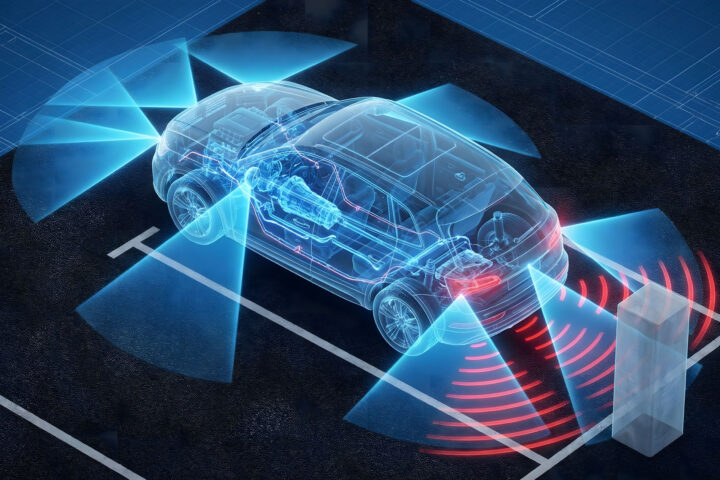
Modern vehicles are increasingly defined by their ability to interpret the environment around them, from UV radiation and rain to dust, cleaning agents and exhaust emissions. Advanced Driver Assistance Systems combine cameras, radar and ultrasonic technologies to create a continuous perception layer, enabling functions from assisted driving to higher levels of autonomy. As these systems become more deeply integrated into vehicle architecture, they place greater demands on the reliability of every supporting component.
The evolution from electro-hydraulic to electromechanical braking is reshaping sealing requirements, creating new challenges for materials, design and performance.
Thermal management increasingly determines how efficiently an electric vehicle can operate. It supports battery performance and service life, enables faster charging and helps preserve driving range by controlling how heat moves between the battery, e-drive, power electronics and cabin.
Modern vehicles are increasingly defined by their ability to interpret the environment around them, from UV radiation and rain to dust, cleaning agents and exhaust emissions. Advanced Driver Assistance Systems combine cameras, radar and ultrasonic technologies to create a continuous perception layer, enabling functions from assisted driving to higher levels of autonomy. As these systems become more deeply integrated into vehicle architecture, they place greater demands on the reliability of every supporting component.
