
Transportation & Electronics
For ADAS, sealing precision defines system value
Article | July 13, 2026
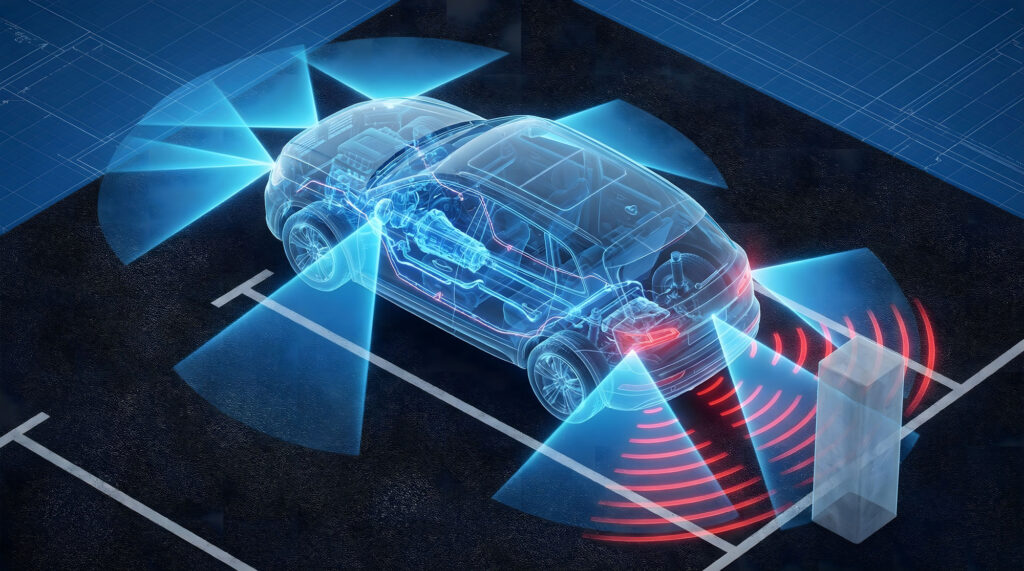
Modern vehicles are increasingly defined by their ability to interpret the environment around them, from UV radiation and rain to dust, cleaning agents and exhaust emissions. Advanced Driver Assistance Systems combine cameras, radar and ultrasonic technologies to create a continuous perception layer, enabling functions from assisted driving to higher levels of autonomy. As these systems become more deeply integrated into vehicle architecture, they place greater demands on the reliability of every supporting component.
That is especially true at sensor level. ADAS functions rely on consistent, uninterrupted sensor input, and that requirement extends across the wider assembly. Sensors must perform reliably under all conditions, and the components that protect them must do the same without introducing risk. In this context, sealing is not a secondary detail. It is part of the system’s ability to operate consistently over time.
Zero failure tolerance and the demands on sealing
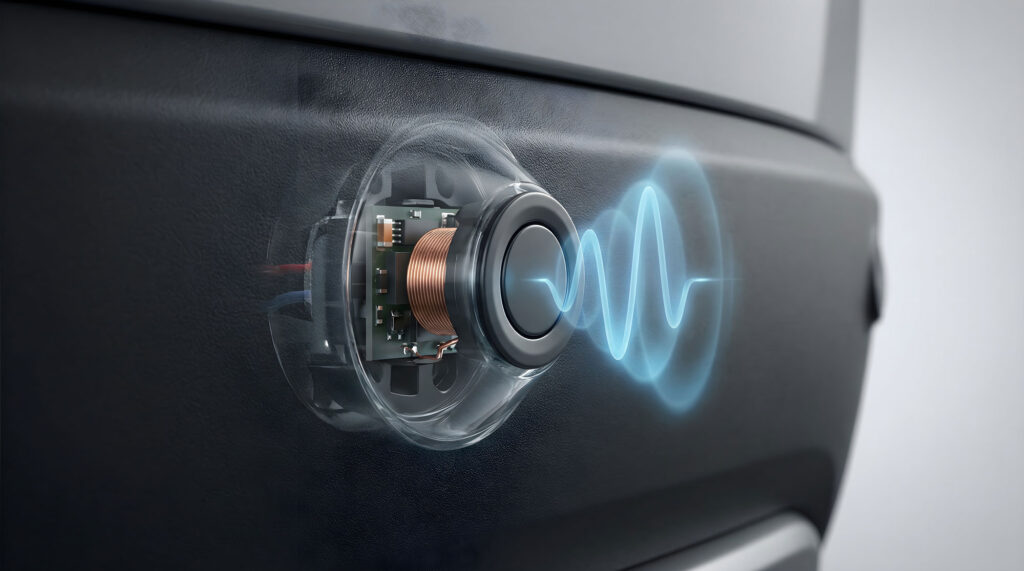
ADAS components are typically positioned in exposed areas such as bumpers, mirrors and exterior modules, where they are subjected to rain, dust, sunlight, cleaning agents and emissions from surrounding vehicles. Water, dust or other media entering the sensor can interfere with the electronics inside, affecting performance or reducing lifespan. In systems that rely on accurate and continuous perception, even small disruptions can become significant.
At the same time, many ADAS and sensor products are designed as standardised parts and produced at high volumes. This means sealing solutions must do more than protect against ingress. They must also support automated assembly, automated inspection and repeatable quality in production. In some cases, they must meet demanding surface and appearance requirements as well.
Engineering capability that supports performance
This is where Datwyler’s strengths are most visible. The company’s contribution in ADAS and sensor applications is not defined by material expertise alone, but by its ability to combine simulation, process and quality control, highly automated LSR injection molding and scalable support into a single development and production model.
Simulation and validation play a particularly important role. Evaluating component behaviour under temperature variation, vibration and environmental exposure allows potential risks to be identified before production begins. Rapid prototyping supports faster iteration and earlier validation of design concepts, helping reduce development time and improve confidence before serial production. In applications where tolerances are tight and failure tolerance is low, that validated development approach is a clear competitive advantage.
The same is true of process and quality control. In ADAS applications, performance is not defined by material selection alone, but by how materials are applied, how tooling is designed and how tightly production conditions are controlled. Dimensional control, surface quality and production stability are therefore central to sealing performance.
Why highly automated LSR processing matters
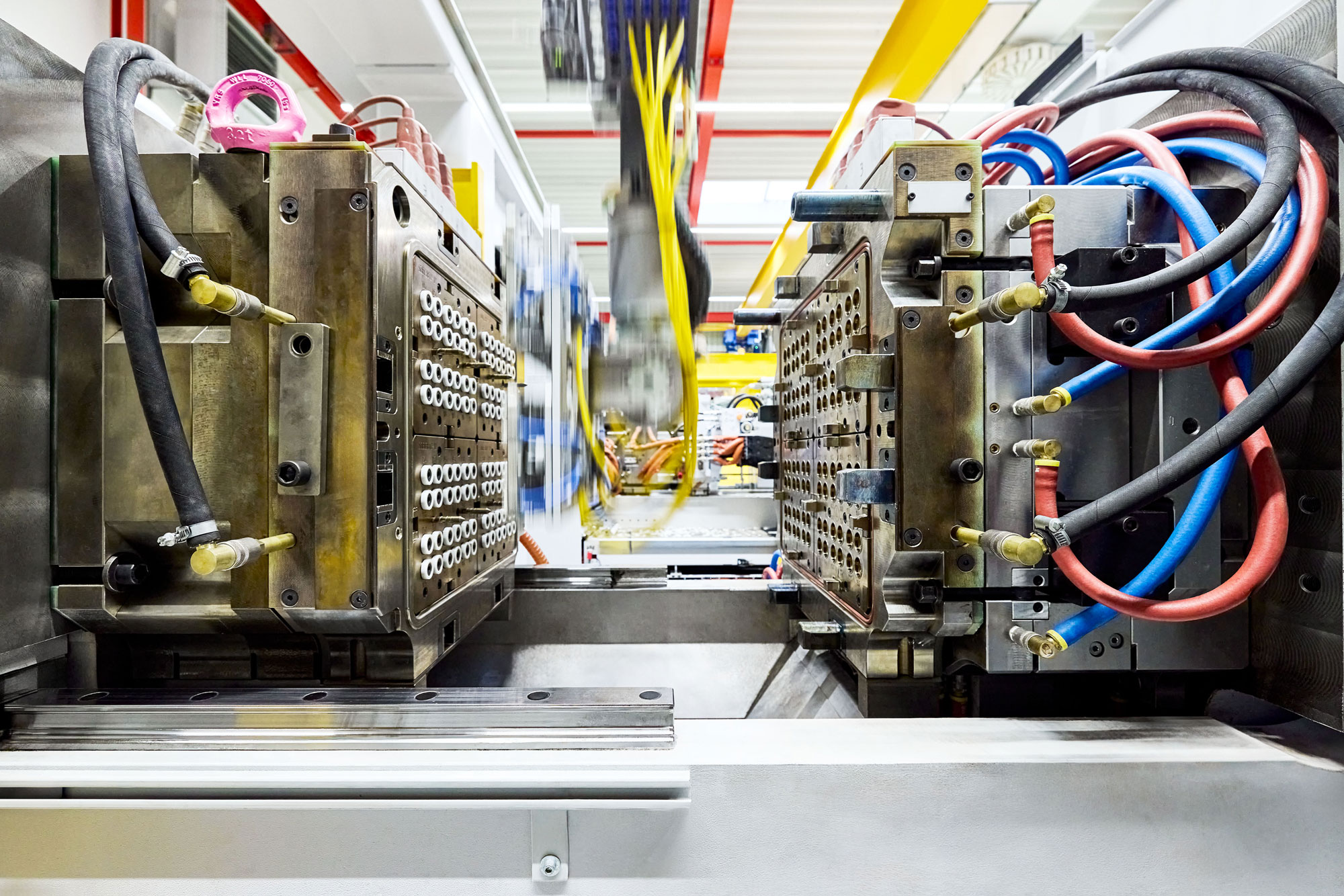
Liquid silicone rubber is central to many ADAS and sensor applications because it combines temperature resistance, environmental stability and electrical insulation with the flexibility needed for complex geometries. It is also well suited to demanding environments around cameras, radar systems and connector interfaces.
But the real differentiator lies in how it is processed. Because LSR has a very low viscosity, tooling and process control must be extremely accurate in order to achieve burr-free finished parts, stable dimensions and the surface quality required in sensor applications. Datwyler’s highly automated LSR injection molding capability is therefore more than a production feature. It is a quality enabler.
This can already be seen in mass production in a hugely successful collaboration between Datwyler and a leading European supplier. The project saw the delivery of an automotive sensor covering application, with LSR injection technology supporting high precision while also reducing cycle time, lowering scrap rate and helping optimize overall system cost.
By supporting repeatable output, reduced variation and stable dimensional control, it helps ensure that sealing components can meet the expectations of safety-relevant ADAS programmes. Multi-component technologies add further value by enabling function integration, accommodating complex geometries and reducing assembly steps.
Proven application breadth and scalable support
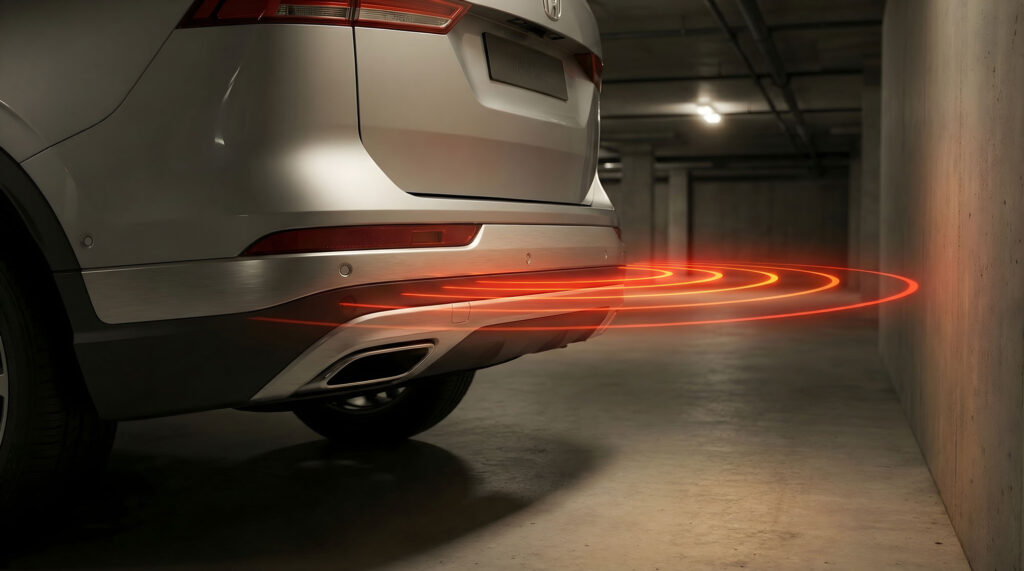
These capabilities can be seen across a broad range of ADAS and sensor applications, including radar light isolation components, radar connector seals, camera caps, camera connector seals, ultrasonic sensor covers, peripheral pressure sensor components and sensor grommets. These examples show that Datwyler’s role extends across multiple sensor types, interfaces and installation conditions rather than being limited to a single niche application.
Development support is reinforced by supply capability. Local supply can strengthen responsiveness and programme stability close to the point of manufacture, while Datwyler’s broader global footprint and support network help maintain continuity across regional and international programmes. For customers managing rising sensor volumes and more complex launches, that combination of local execution and global support can be a meaningful advantage.
System value through reliable sealing
As ADAS systems continue to evolve, sealing solutions will play a more visible role in supporting both performance and manufacturability. Protecting sensitive electronics remains the fundamental task, but that task now has to be achieved with tighter dimensional control, validated development, higher automation and greater consistency at scale. In that environment, sealing performance becomes more than a technical requirement. It becomes part of the competitive value of the system itself.
Contact
Please contact us for more information.


