Cutting-edge solutions for green hydrogen production
Hydrogen Production
Article | August 21, 2024
As the world pivots towards sustainable energy systems, green hydrogen is rapidly becoming a cornerstone of future energy strategies. Its potential spans the entire value chain, from hydrogen production, storage and transportation to end-use applications, presenting a multitude of opportunities for reducing carbon footprints and enhancing energy security.
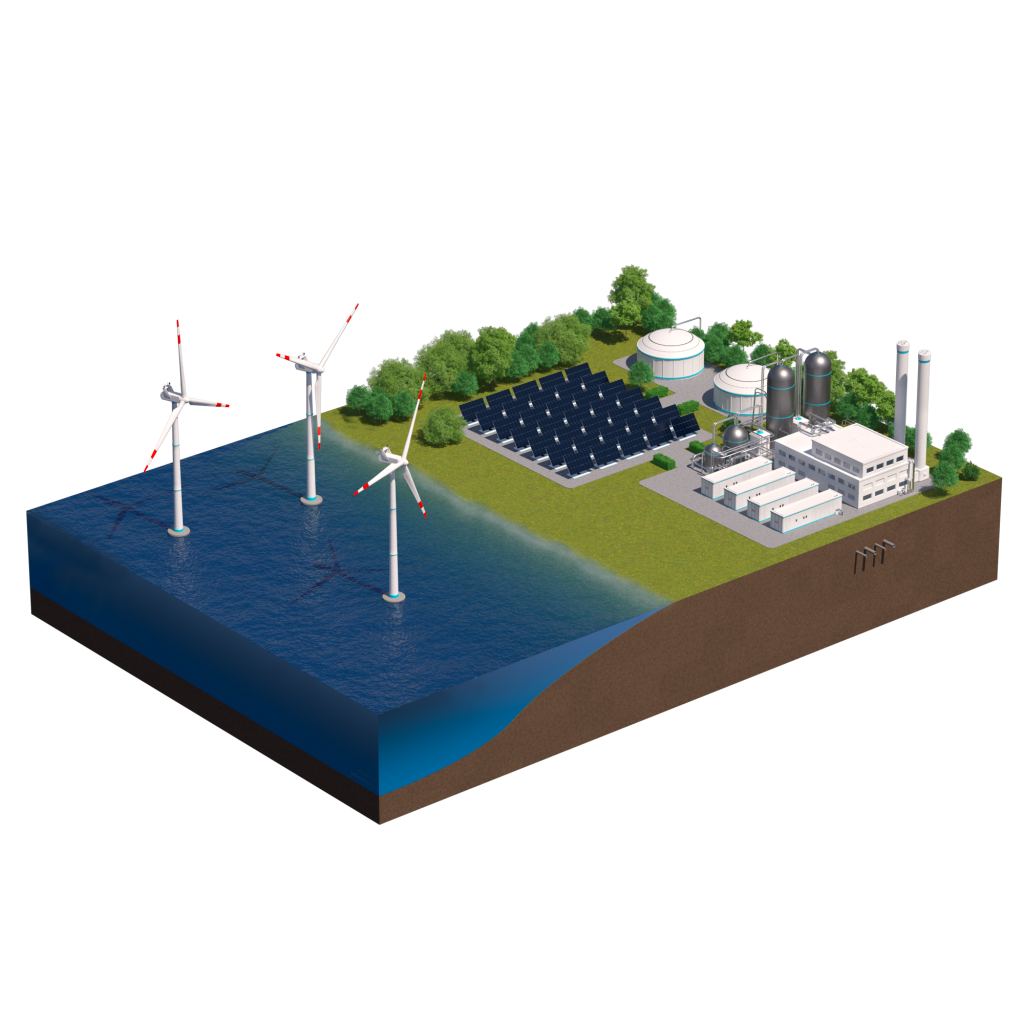
Electrolysis
H₂ purification
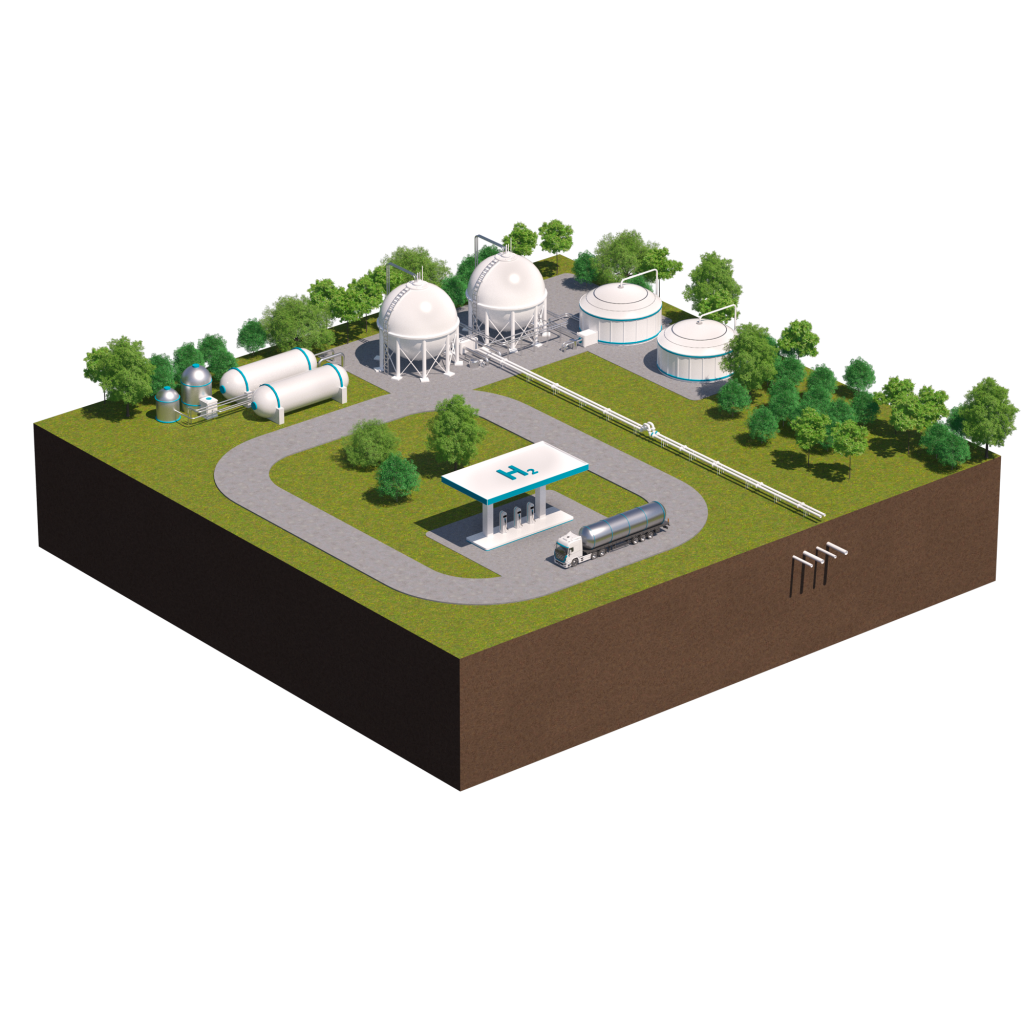
Compression
Pumps
Storage tanks
Flow control
Pipelines
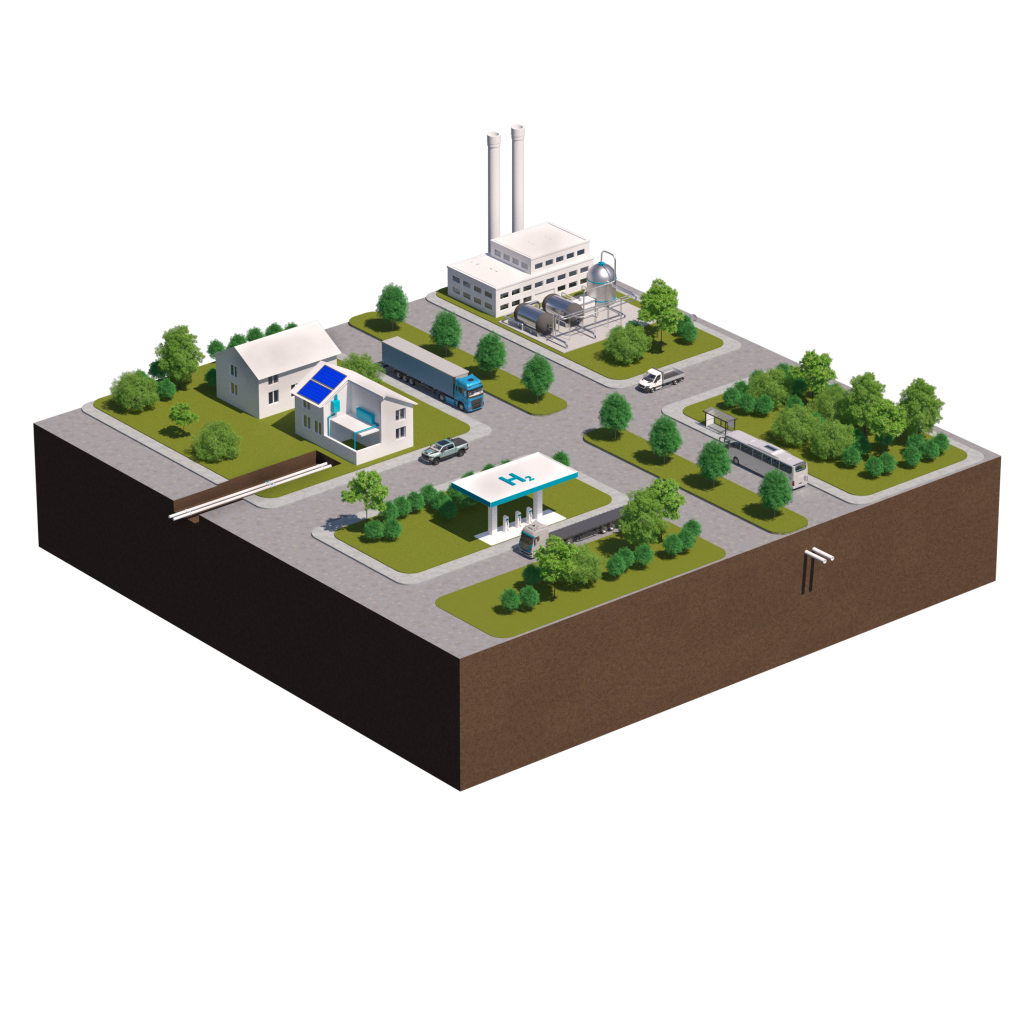
Transporation
Heavy duty machines
Power generation
Domestic heat
However, the transition to a hydrogen-based economy is not without its challenges. One of the critical hurdles is the need for reliable and efficient sealing solutions for electrolyzers, fuel cells and other hydrogen systems. These components must withstand harsh operating conditions, including high pressures, temperatures, and chemical reactions. As the industry shifts from manual production to high-volume, semi-automated, or fully automated manufacturing, the demand for advanced sealing solutions becomes even more pressing.
Sealing solutions are paramount in hydrogen systems due to hydrogen’s unique properties. As the smallest and lightest molecule, hydrogen can easily permeate through materials, posing significant challenges in containment and transport.
At the same time, their performance can be compromised by exposure to high-pressure hydrogen, leading to issues such as swelling, leaking or rapid gas decompression.

Low permeability towards H
Ensuring minimal gas permeation is crucial for preventing hydrogen leakage, thus maintaining safety and system efficiency.

High durability
Withstanding prolonged exposure to high pressure hydrogen environments is essential for seals to retain their integrity and performance over time.

Chemical resistance
Resisting degradation or deterioration in the presence of chemicals found in hydrogen related applications, such as hydrogen, oxygen, sulfuric acid and water, is vital for ensuring the long-term reliability of seals.

Resistivity towards RGD
Seals should maintain their sealing effectiveness even under rapid changes in pressure, preventing gas leakage and system failure.

High precision and cleanliness
Seals must meet strict tolerances and cleanliness standards to ensure proper fit and performance in hydrogen systems, minimizing the risk of contamination and ensuring efficient operation.
Leveraging decades of expertise in material science, solution design and operational excellence, Datwyler provides a range of high-performance sealing solutions tailored to meet the specific and demanding requirements of hydrogen systems.
Our product portfolio for hydrogen applications includes overmolded seals designed specifically for bi-polar plates, ensuring a precise fit and reliable sealing performance. Additionally, Datwyler provides a wide range of seals engineered for auxiliary systems, guaranteeing leak-free operation and optimal system efficiency.
With a commitment to innovation and quality, Datwyler is a trusted partner for customers seeking reliable sealing solutions for their hydrogen applications along the entire value chain.

Sven Gisler
Head of Innovation and Business Development

Datwyler Business Unit