
Transportation & Electronics
From EHB to EMB: what changing brake architectures mean for sealing

Die Inhalte dieser Seite sind leider nicht auf Deutsch verfügbar.
mit Google übersetzenArticle | 1. Oktober 2026
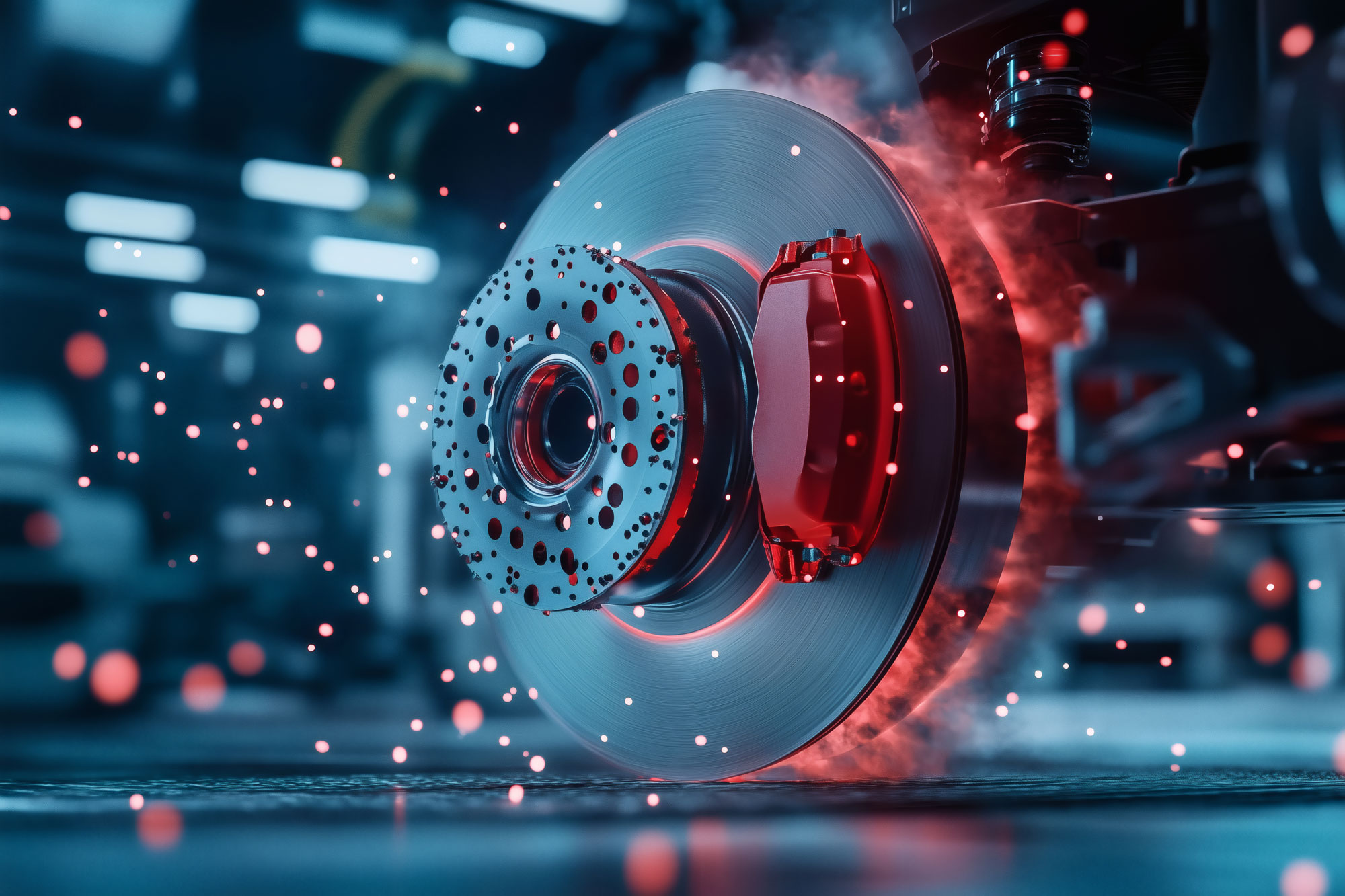
Braking technology is moving along a clear development path. Electro-hydraulic braking (EHB), including One-Box and Two-Box architectures, represents the mainstream today, while electromechanical braking (EMB) points toward the longer-term direction of travel.
For braking-system manufacturers, however, this is not simply a story of one architecture replacing another. The two technologies create very different sealing requirements. EHB retains hydraulic pressure and brake fluid throughout the system, resulting in a broad range of sealing applications where fluid compatibility and manufacturing precision are critical. EMB removes the hydraulic circuit from the braking function, but introduces a different set of demands as component architecture and operating temperatures change.
Understanding where those differences matter is becoming increasingly important as both technologies develop in parallel.
EHB: more integration, but sealing remains fundamental
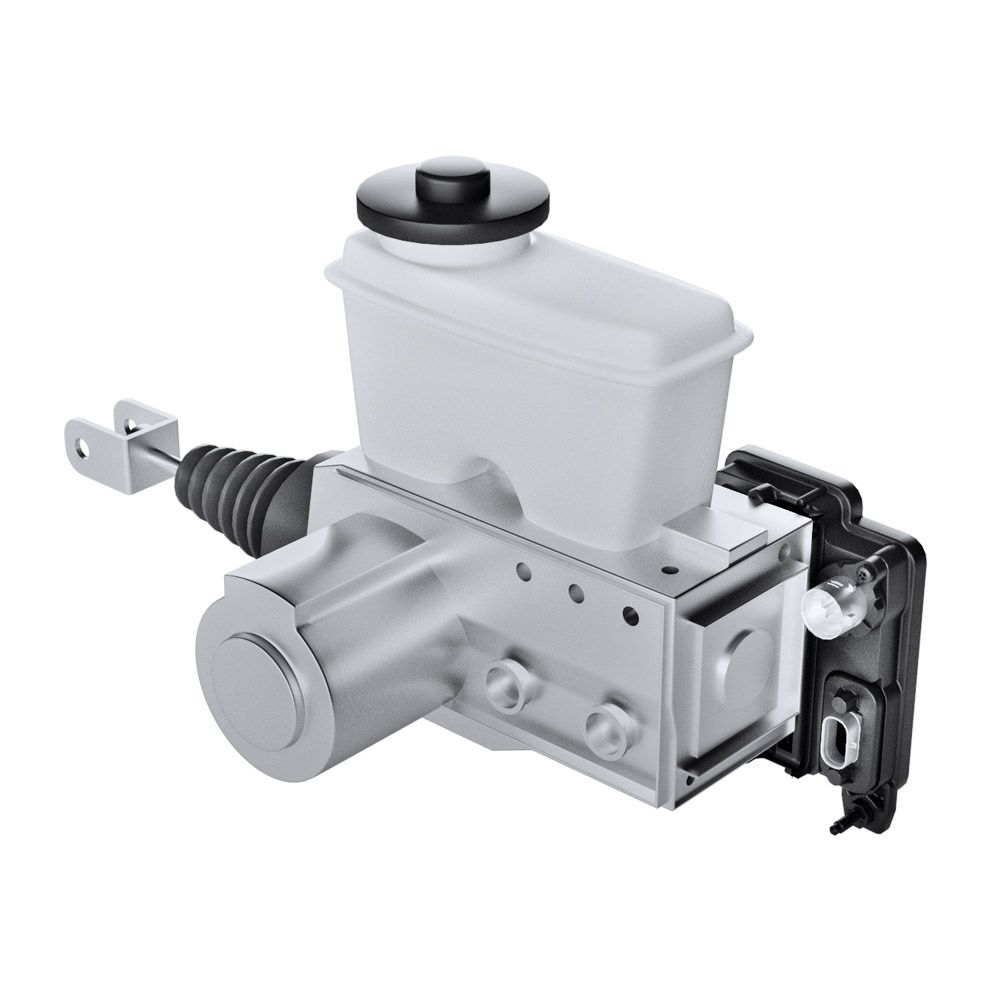
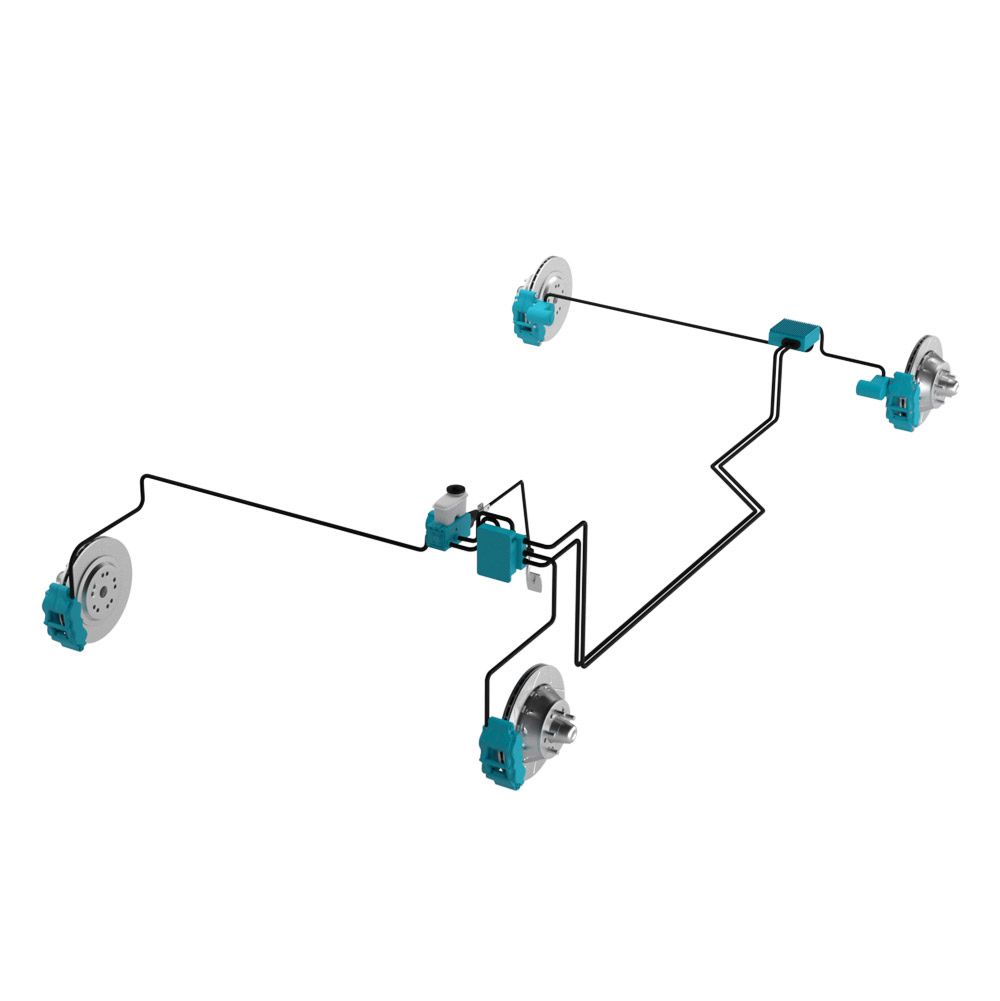
EHB combines electronic control with hydraulic actuation and is already established in both One-Box and Two-Box configurations. Greater integration can reduce the number of separate system elements, but it does not remove the need to generate, contain and control hydraulic pressure. That leaves sealing critical across much of the architecture.
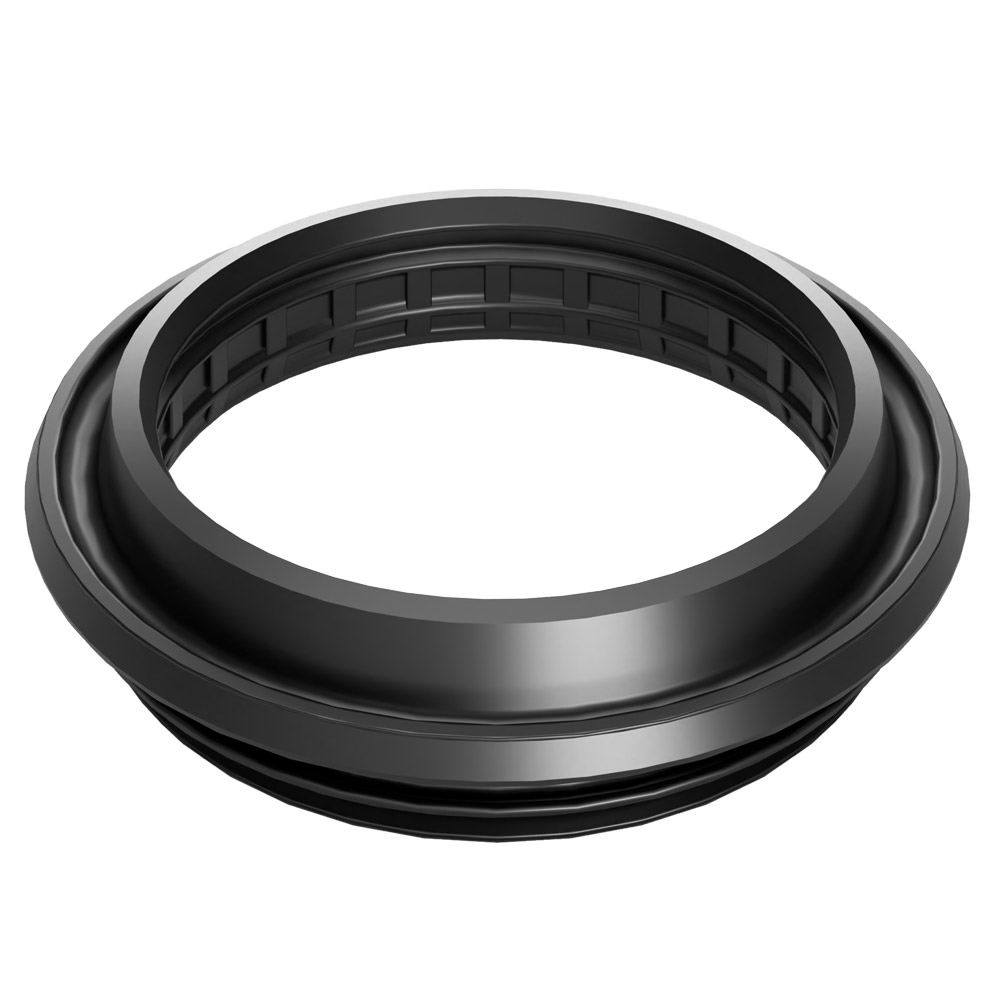
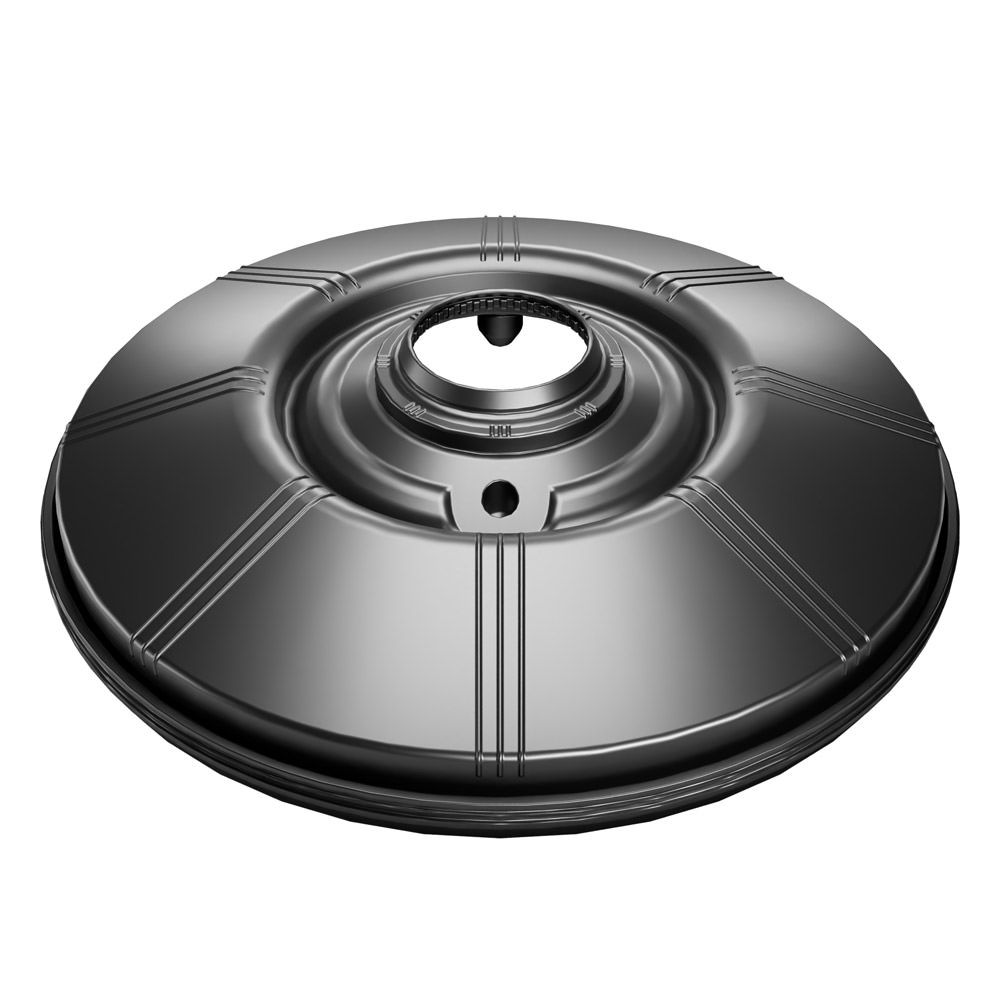
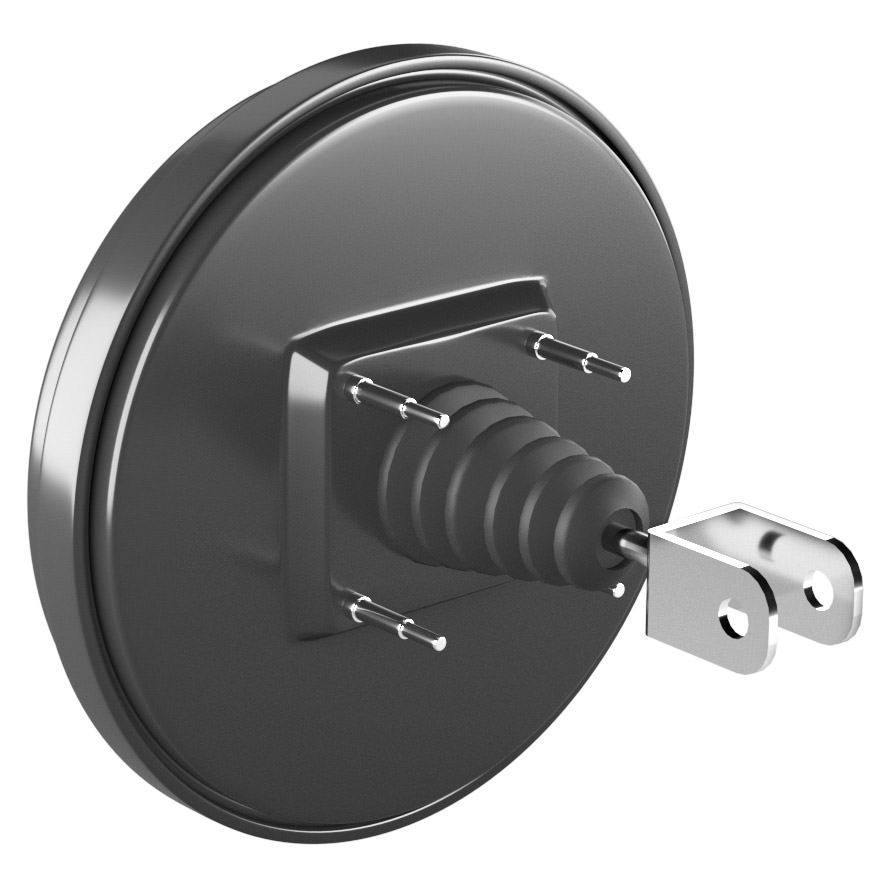
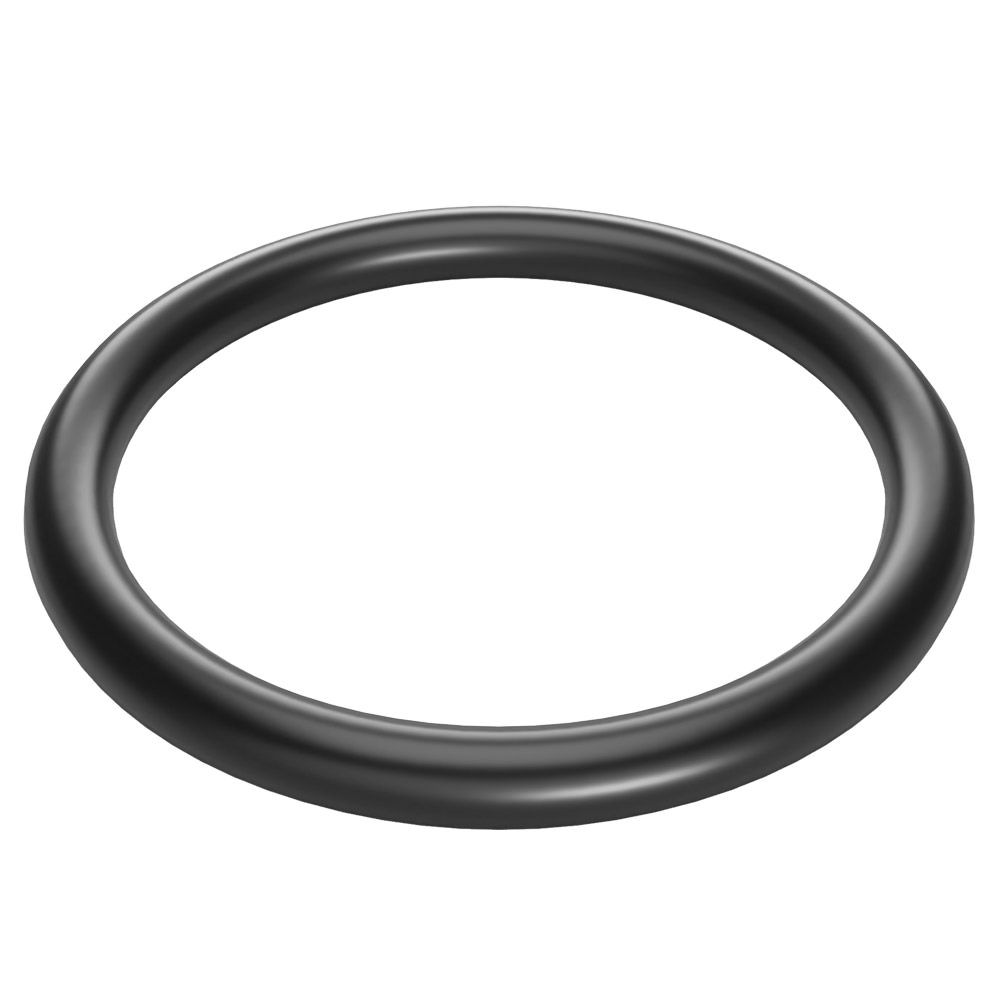
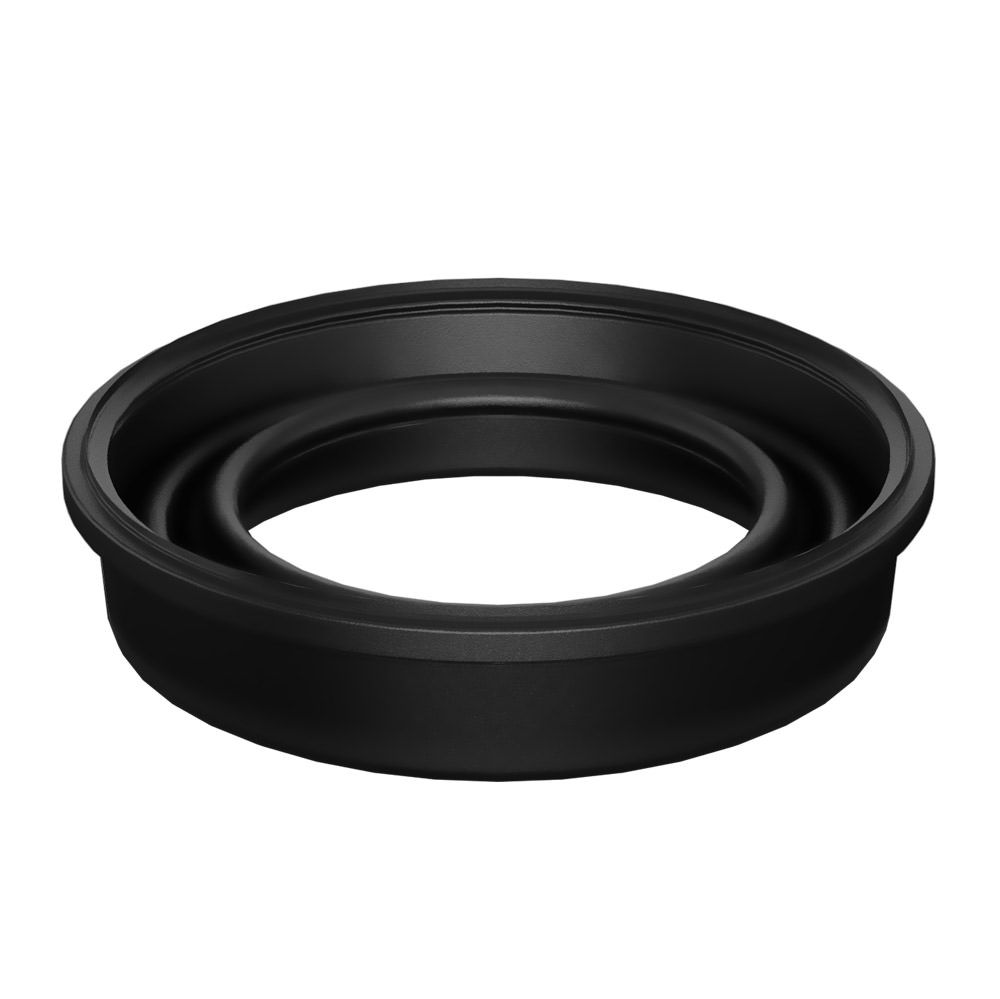
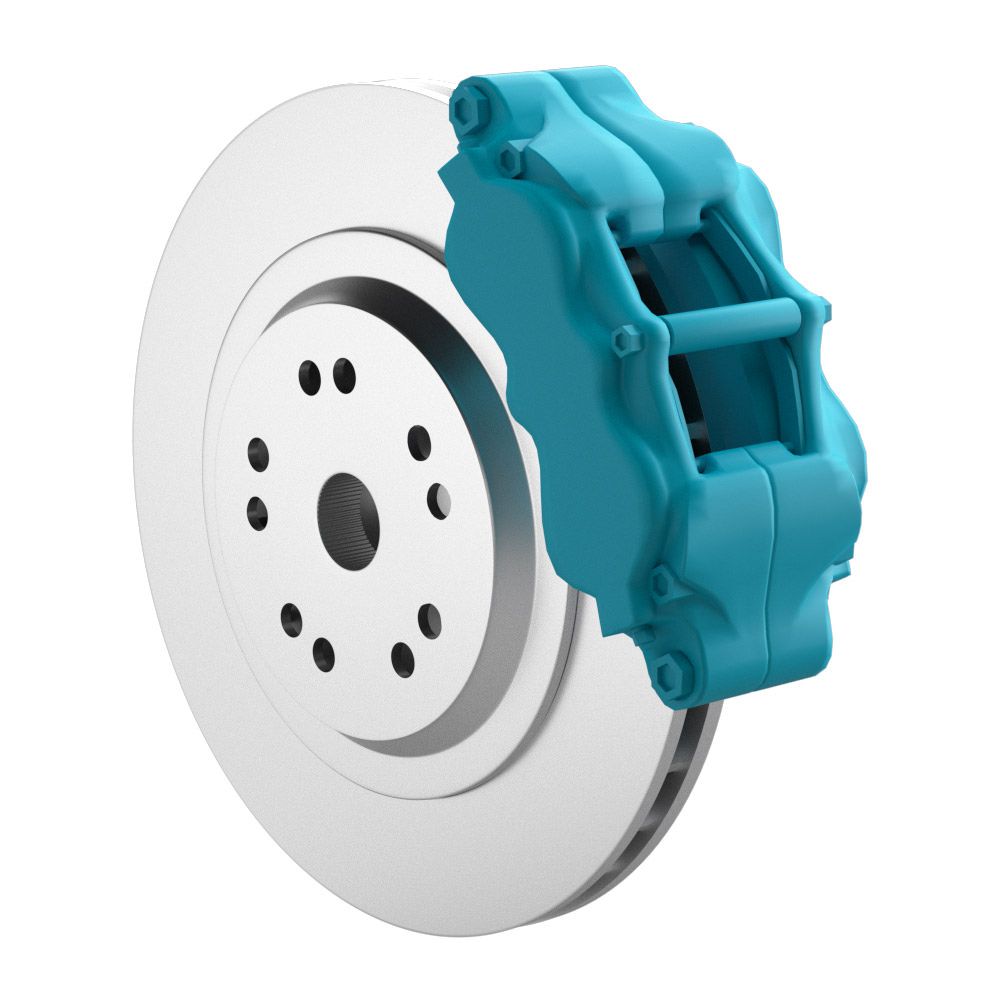
Primary and secondary seals support pressure generation and fluid control, while other areas rely on O-rings, dust boots and ECU housing gaskets. Brake calipers introduce further applications such as piston seals and guide-pin excluders. Depending on the system design, more complex molded or bonded components may also be required.
The engineering challenge is not simply to provide each of these components. They must continue to perform under prolonged exposure to brake fluid while maintaining the dimensional stability and sealing behavior expected over the service life of the system.
This is where material selection becomes particularly important. EPDM remains the principal elastomer for hydraulic braking applications because of its compatibility with brake fluid. Formulations developed for these conditions must maintain their mechanical properties after prolonged immersion while remaining suitable for stable, high-volume manufacture.
For customers developing EHB systems, that creates a clear requirement: material performance has to remain predictable not just during initial validation, but throughout production and service.
Manufacturing precision can become a functional requirement
The same principle applies to the way sealing components are produced.
Primary and secondary lip seals provide a good example. Their sealing surface must be produced with a very high degree of consistency because even small amounts of flash can interfere with function.
Traditional secondary finishing can remove flash after molding, but it also introduces another handling stage. During the SME discussion, Datwyler engineers highlighted the potential for this process to create very small surface defects that may be difficult to identify visually. If brake fluid later penetrates a defect under pressure, leakage and loss of system pressure can follow.
Precision injection molding offers another route. By producing primary and secondary seals with minimal flash, the need for secondary finishing can be reduced, helping protect the integrity of the sealing lip while improving process consistency. The broader point for braking-system developers is that manufacturing cannot be separated from component performance. The geometry designed into a safety-critical seal has to be reproduced reliably at production volumes if the intended performance is to be maintained.
EMB changes the sealing challenge
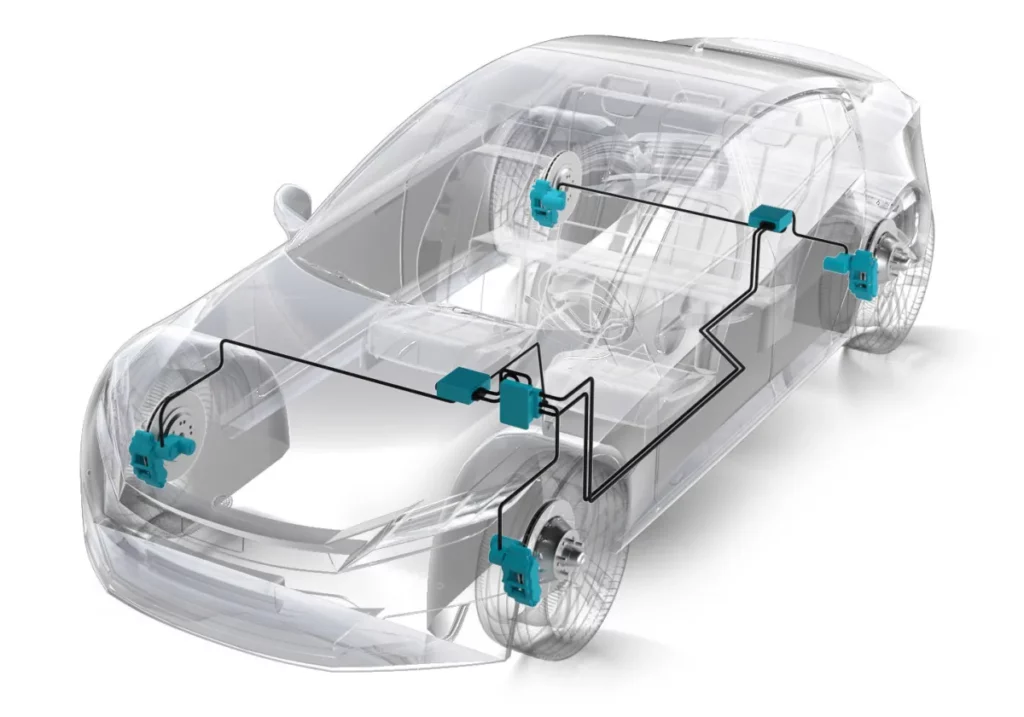
EMB takes braking architecture in a different direction. Instead of using hydraulic pressure to actuate the brake, an electric motor acts directly on the braking mechanism. Removing the hydraulic circuit changes both the number and type of sealing opportunities within the system. That does not make sealing less important. It changes where the engineering effort is required.
Current EMB development includes components such as dust boots, O-rings, guide-pin elements and housing seals. Datwyler is already involved in early-stage projects with leading braking-system manufacturers, with selected Tier-level applications having moved into production.
Temperature can also become more significant. In the SME discussion, higher thermal exposure was identified for components such as EMB dust boots compared with conventional EHB applications, creating greater interest in silicone-based materials. The important point is that this is not a straightforward switch from EPDM to silicone. The materials behave differently during formulation and manufacturing, and the duty of an EMB component is not the same as that of a seal operating continuously in brake fluid.
Material selection therefore needs to follow the specific application. For manufacturers moving into EMB, understanding the actual thermal and mechanical conditions of each component becomes more important than applying material assumptions carried over from hydraulic systems.
Designing for a market where both architectures matter
The move toward EMB is significant, but EHB will continue to represent an important part of the braking landscape as the transition develops.
For suppliers and braking-system manufacturers, this creates two parallel engineering priorities. Existing EHB platforms still need highly reliable brake-fluid sealing across a relatively broad range of components, while EMB development requires sealing concepts to adapt to different temperatures, component layouts and actuation methods.
The opportunity extends beyond passenger vehicles as well. Commercial-vehicle air-brake systems introduce applications including seals, valves, armatures and metal-bonded components, while two-wheeler braking is another area under development. The architecture may change, but the underlying customer requirement does not. Braking components have to perform predictably in a safety-critical environment, and that performance must remain consistent from development through volume production.
That is ultimately where experience in material behavior and precision manufacturing becomes valuable: not because one sealing solution can serve every braking architecture, but because each system requires the right solution for the conditions in which it actually has to perform.
Please contact us for more information.

The evolution from electro-hydraulic to electromechanical braking is reshaping sealing requirements, creating new challenges for materials, design and performance.
Thermal management increasingly determines how efficiently an electric vehicle can operate. It supports battery performance and service life, enables faster charging and helps preserve driving range by controlling how heat moves between the battery, e-drive, power electronics and cabin.
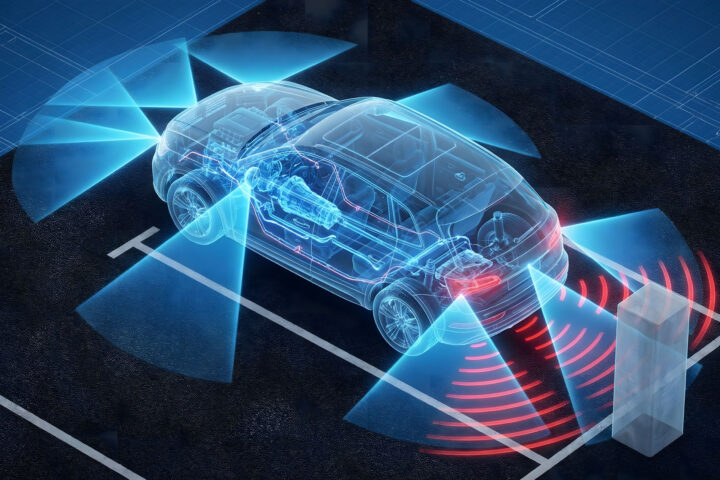
Modern vehicles are increasingly defined by their ability to interpret the environment around them, from UV radiation and rain to dust, cleaning agents and exhaust emissions. Advanced Driver Assistance Systems combine cameras, radar and ultrasonic technologies to create a continuous perception layer, enabling functions from assisted driving to higher levels of autonomy. As these systems become more deeply integrated into vehicle architecture, they place greater demands on the reliability of every supporting component.
The evolution from electro-hydraulic to electromechanical braking is reshaping sealing requirements, creating new challenges for materials, design and performance.
Thermal management increasingly determines how efficiently an electric vehicle can operate. It supports battery performance and service life, enables faster charging and helps preserve driving range by controlling how heat moves between the battery, e-drive, power electronics and cabin.
Modern vehicles are increasingly defined by their ability to interpret the environment around them, from UV radiation and rain to dust, cleaning agents and exhaust emissions. Advanced Driver Assistance Systems combine cameras, radar and ultrasonic technologies to create a continuous perception layer, enabling functions from assisted driving to higher levels of autonomy. As these systems become more deeply integrated into vehicle architecture, they place greater demands on the reliability of every supporting component.


