
Transportation & Electronics
Thermal management starts at the interface

Die Inhalte dieser Seite sind leider nicht auf Deutsch verfügbar.
mit Google übersetzenArticle | 26. August 2026
Thermal management increasingly determines how efficiently an electric vehicle can operate. It supports battery performance and service life, enables faster charging and helps preserve driving range by controlling how heat moves between the battery, e-drive, power electronics and cabin.
As these functions become more integrated, multi-way coolant valves and sealing plugs are taking on a more important role. At the same time, potential restrictions on PFAS-based materials are creating a need for new sealing technologies capable of maintaining the required balance of friction, leakage control, media resistance and durability.
Multi-way valves for integrated thermal systems
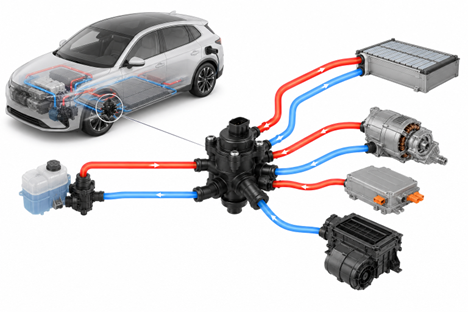
Multi-way coolant valves open and close different flow paths to direct coolant between the battery, e-powertrain, cabin and other thermal circuits. By managing several routes within one component, they can support greater system efficiency while helping reduce component count, weight and cost.
Their dynamic sealing elements must combine low friction with reliable control of internal leakage. If friction is too high, valve actuation becomes more difficult. If sealing contact is insufficient, coolant may pass between flow paths when the valve is intended to isolate them.
A current Datwyler project focuses on this balance within a customer-specific multi-way valve architecture. The sealing concept is being developed around defined requirements for resistive torque, leakage, media compatibility and long-term performance. Dedicated testing is also being created to evaluate actuation torque and internal leakage under representative conditions.
Developing PFAS-free alternatives
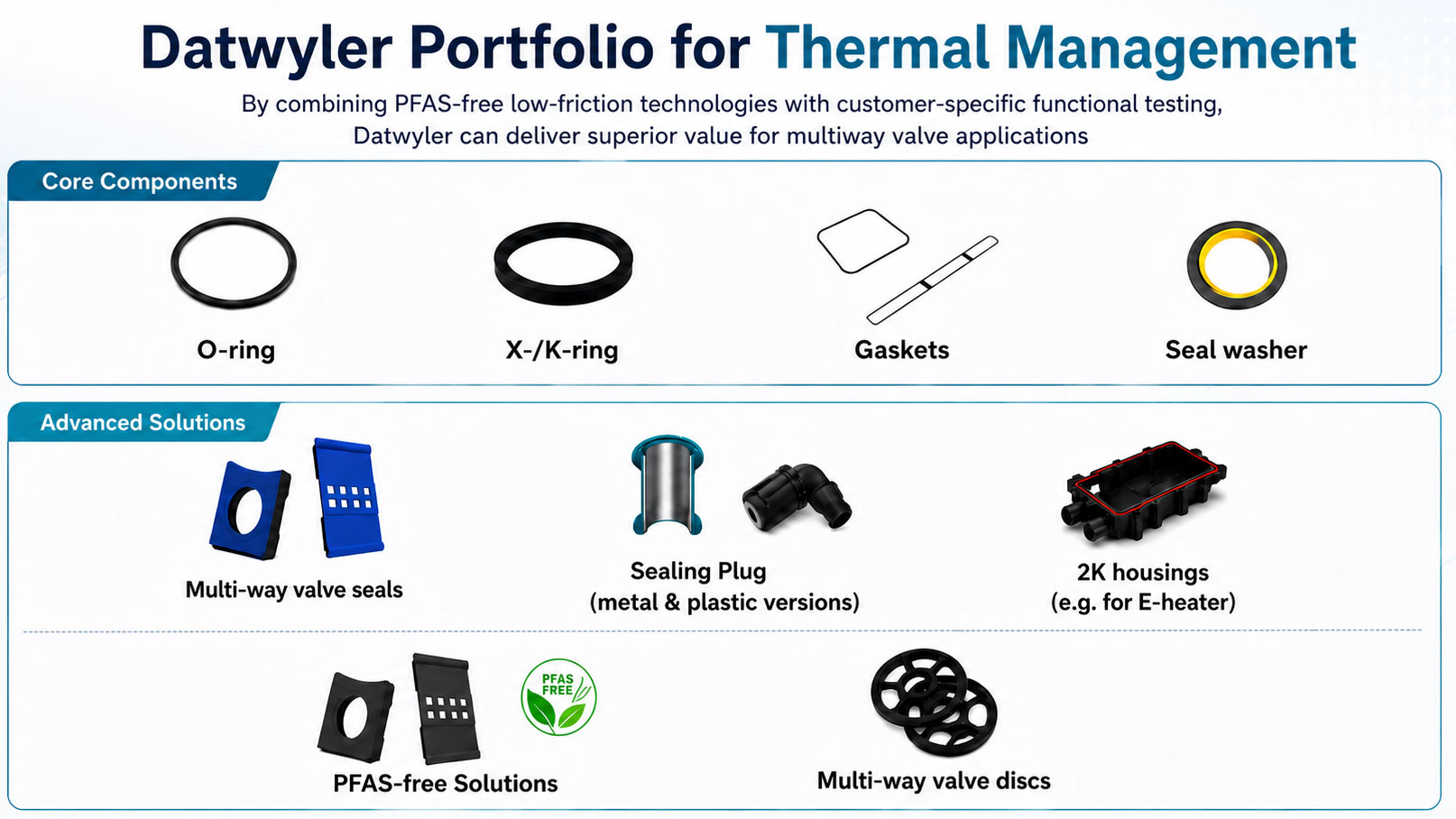
PTFE-based materials have traditionally been used where low friction is required, including dynamic valve applications. However, customers preparing for potential PFAS restrictions increasingly need alternative technologies that can deliver comparable functional performance.
In the current multi-way valve project, Datwyler is developing a customised PFAS-free sealing concept rather than treating the material change as a direct substitution. Replacing one material with another can alter friction, contact behaviour and sealing force, all of which influence how the valve operates.
The development therefore considers the PFAS-free material in relation to the component design and its operating conditions. This allows the sealing solution to be evaluated against the performance requirements of the complete valve, rather than solely against the properties of the compound.
Datwyler’s wider development work includes PFAS-free low-friction technologies and self-lubricating compounds, supporting customers as both regulatory expectations and thermal-management requirements continue to evolve.
Sealing plug designed for efficient assembly
Sealing plug must provide reliable coolant transfer while meeting tight installation, media-resistance and production requirements. At automotive volumes, the connector must also be straightforward to assemble without excessive insertion or removal forces.
For some projects, Datwyler developed a self-lubricating EPDM compound for a sealed fluid connector. Finite element analysis was used to compare assembly and disassembly forces across different concepts, after which functional prototypes were manufactured from production-intent material for customer testing.
This created a test-ready concept within a short timeframe, supporting leak-tight coolant transfer, simplified assembly and the cost efficiency required for serial production.
More broadly, Datwyler’s thermal-management portfolio includes EPDM, HNBR, FKM and silicone-based compounds for contact with coolants, refrigerants, oils and other application-specific media. The company has also evaluated elastomer compounds following prolonged exposure to various media, such as hydrofluoroether- and ester-based fluids, generating material data for direct thermal-management applications.
Co-engineering, simulation and validation support these developments where needed, helping confirm material and component behavior before serial production.

Beyond passenger vehicles
Similar thermal-management and fluid-control challenges are emerging beyond passenger cars.
Commercial and off-road vehicles require robust systems capable of performing under demanding conditions and long duty cycles. Drones and robotics place particular emphasis on compact architecture, low weight and effective heat management, while liquid-cooled data-centre infrastructure relies on dependable fluid connectors and suitable material compatibility.
Although the applications differ, each requires controlled fluid movement and reliable sealing within increasingly compact thermal systems.
Multi-way valves, PFAS-free sealing technologies and sealing plugs therefore represent important areas of development both within automotive thermal management and across a wider range of emerging applications. Through application-specific material development and scalable manufacturing, Datwyler supports solutions designed around the functional requirements of each system.
Contact
Please contact us for more information.

Related news
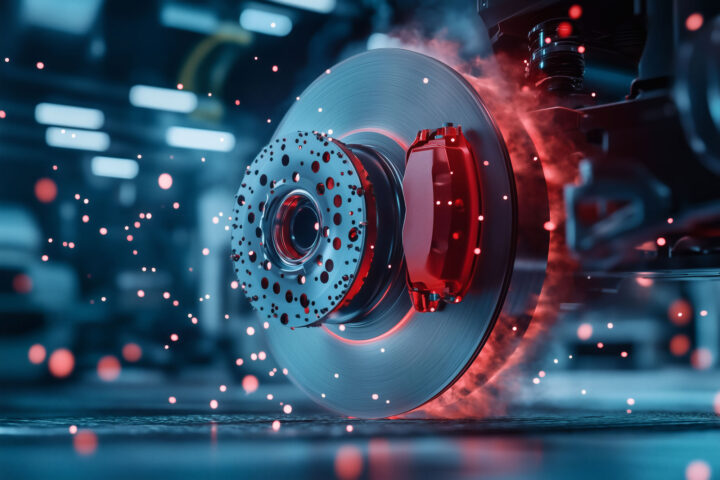
The evolution from electro-hydraulic to electromechanical braking is reshaping sealing requirements, creating new challenges for materials, design and performance.
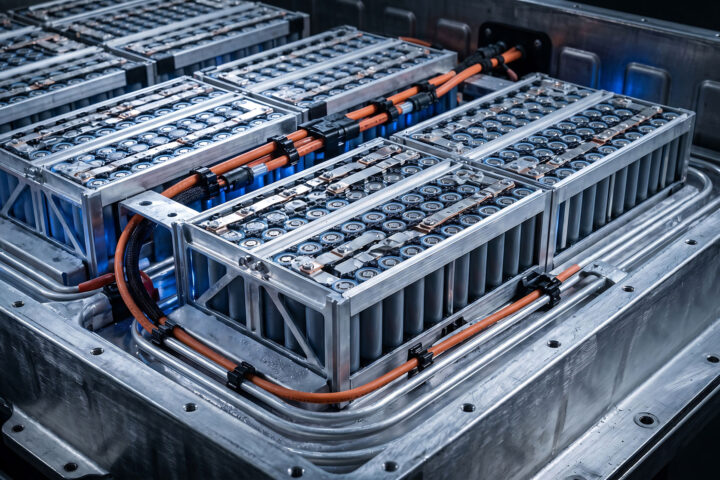
Thermal management increasingly determines how efficiently an electric vehicle can operate. It supports battery performance and service life, enables faster charging and helps preserve driving range by controlling how heat moves between the battery, e-drive, power electronics and cabin.
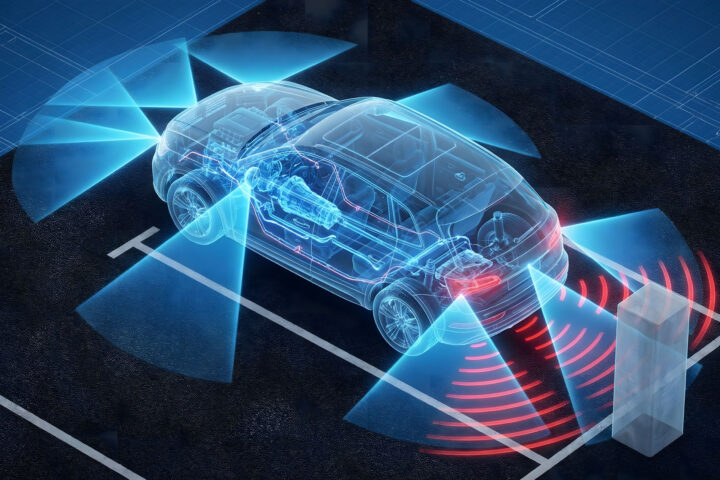
Modern vehicles are increasingly defined by their ability to interpret the environment around them, from UV radiation and rain to dust, cleaning agents and exhaust emissions. Advanced Driver Assistance Systems combine cameras, radar and ultrasonic technologies to create a continuous perception layer, enabling functions from assisted driving to higher levels of autonomy. As these systems become more deeply integrated into vehicle architecture, they place greater demands on the reliability of every supporting component.
The evolution from electro-hydraulic to electromechanical braking is reshaping sealing requirements, creating new challenges for materials, design and performance.
Thermal management increasingly determines how efficiently an electric vehicle can operate. It supports battery performance and service life, enables faster charging and helps preserve driving range by controlling how heat moves between the battery, e-drive, power electronics and cabin.
Modern vehicles are increasingly defined by their ability to interpret the environment around them, from UV radiation and rain to dust, cleaning agents and exhaust emissions. Advanced Driver Assistance Systems combine cameras, radar and ultrasonic technologies to create a continuous perception layer, enabling functions from assisted driving to higher levels of autonomy. As these systems become more deeply integrated into vehicle architecture, they place greater demands on the reliability of every supporting component.


